The Green City Accord (GCA) is a movement of European cities committed to becoming greener, cleaner and healthier places to live. It provides a framework that empowers cities to tackle pressing environmental challenges and accelerate the implementation of the European Green Deal and the EU environmental law.
Why should cities join the Green City Accord?
By signing the GCA, cities take the lead in improving Europe's natural environment and quality of life while actively supporting the European Green Deal and the delivery of the Sustainable Development Goals.
As a signatory, cities will:
- connect with like-minded cities driving the transition towards a clean and healthy Europe;
- gain Europe-wide recognition of their environmental actions and achievements;
- increase transparency, accountability and credibility within the local community;
- gain access to information concerning EU funding opportunities;
- strengthen their chances of being awarded European Green Capital or European Green Leaf;
- participate in events, exchanges of best practices and join capacity-building opportunities; and
- receive tailored guidance and support.
The Green City Accord complements the Covenant of Mayors for Climate and Energy, as climatic and environmental action are deeply intertwined.
The urban green transition in five Policy Areas
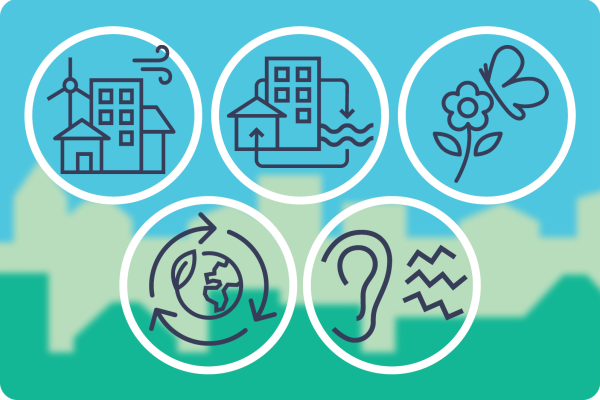
Air qualityAlign urban air quality with the World Health Organisation and EU standards.
Water managementEnhance water quality in urban areas and improve the efficiency of water use.
Nature and biodiversityProtect and restore urban ecosystems to enhance biodiversity.
Circular economy and waste managementPromote a circular economy by improving waste management and boosting reuse, repair, and recycling.
Noise reductionLower urban noise to meet World Health Organisation-recommended levels.
“Almost five years ago we launched the European Green Deal – our growth strategy and roadmap to net zero. The reasons which pushed us to be so ambitious then are even more pronounced today. So I want to be clear: We must and will stay the course on the goals of the European Green Deal. But if we want to be successful in this transition, we must be more agile and better accompany people and business along the way.”
President Ursula von der Leyen speech at the European Parliament Plenary on the new College of Commissioners and its programme (Strasbourg, 27 November 2024)
News

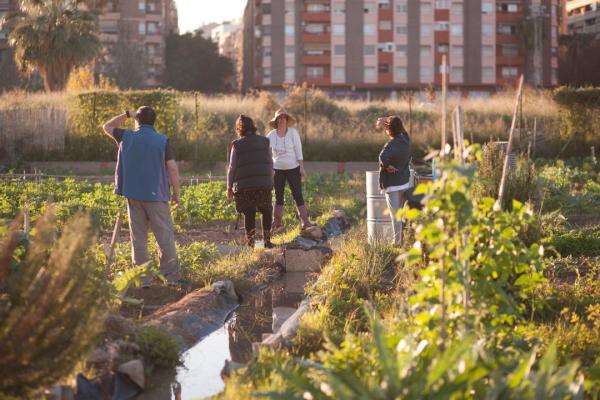
European allotments cool an area estimated at 2.8 times their size, potentially benefiting 4.1 million people. Prioritising allotments in areas of high population density could mitigate urban heat islands.

From cultural traditions and community festivals to nature walks, science and sustainable mobility, discover how Guimarães is bringing its European Green Capital 2026 programme to life across the city.

A new study exploring how urban green spaces influence noise levels suggests that smarter planning could help cities tackle one of today’s most pressing environmental health threats: noise pollution.

Viladecans’ final European Green Leaf 2025 report highlights a year of citizen engagement, urban greening, biodiversity, circular economy and climate action, showing how the city turned its award into a shared local movement for sustainability.